
Shooting a Wedding With Multiple Sessions Without Losing Track
How to Manage Multi-Session Wedding Photography — A Practical Guide
Ahmed is an experienced wedding photographer. A client booked him for a full wedding package: engagement shoot in March, henna night in June, ceremony on the morning of the wedding day, and the evening reception. Four sessions, four dates, four different locations.
He put the engagement date in his calendar. The henna night went into a phone note. The wedding day was "in his head." The result: he forgot the henna night and got a panicked call from the bride hours before.
An Arab wedding isn't one event. It's a series of events that can span weeks or months. The real challenge in wedding photography isn't the shooting — it's keeping every session, contract, and payment organized without dropping anything.
Typical Sessions in an Arab Wedding
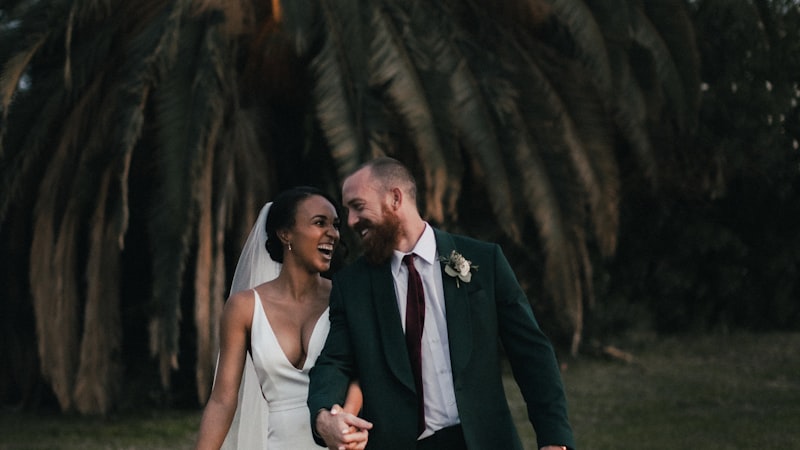
[Henna night preparations]
Session · Timing · Common Location · Duration
Engagement shoot · 2-6 months before wedding · Studio / outdoor / restaurant · 2-4 hours
Pre-wedding session · 1-3 months before · Scenic outdoor location · 3-5 hours
Henna night · Day(s) before wedding · Venue / bride's family home · 3-5 hours
Ceremony (Katb el-Kitab) · Wedding day or before · Mosque / home / venue · 1-2 hours
Wedding reception · Wedding day · Hotel / wedding hall · 5-8 hours
Post-wedding shoot · 1 week to 1 month after · Beach / unique location · 2-3 hours
A single wedding booking can involve 4 to 6 separate photography sessions. Each one needs its own coordination.
What Goes Wrong Without Good Organization
Forgetting a session entirely
When sessions are scattered across different notes, chats, and calendars, something will slip through. Forgetting a henna night or ceremony shoot is one of the worst things that can happen to a photographer's reputation.
Scheduling conflicts
You have an engagement session on Saturday at 4 PM. You also have another wedding reception the same day at 6 PM. Without a complete view of your schedule, you might accept two conflicting bookings. For more on the double-booking problem, read 7 Reasons Photographers Lose Bookings.
Unclear contracts
The client thinks the package includes henna photography. You think henna is an add-on with a separate fee. Without a contract that lists every session explicitly, this disagreement is inevitable. For contract essentials, read Photography Contract Template — Complete Guide.
Payment confusion
"Did the client pay the deposit for the whole wedding, or just the engagement session?" When payments aren't linked to a clear schedule, you lose track of who paid what.
The Right Way to Organize a Multi-Session Wedding
Step 1: One booking for the entire wedding
Instead of creating separate bookings for each session, create one booking that covers the whole wedding.
Why?
One contract covers all sessions
One payment schedule for the total amount
A complete view of everything related to this client
Step 2: Add sessions after confirmation
After receiving the deposit:
Add the engagement session — date, time, location
Add the henna night — date, time, location
Add the wedding day — date, time, location
Add any additional sessions per the package
Each session gets an independent status: scheduled, completed, or cancelled.
Step 3: One contract covering all sessions
The contract should list:
Every session with its date and location
What each session includes
The total amount for all sessions combined
The complete payment schedule
Step 4: Payment schedule linked to milestones
Payment · Amount · Due · Linked To
Deposit · 30% · Upon confirmation · All sessions
Second payment · 30% · 1 week before engagement · Engagement session
Third payment · 30% · 1 week before wedding · Wedding day
Balance · 10% · Upon delivery · Final delivery
Step 5: Reminders and follow-up
For each session you need:
A reminder 24-48 hours before the session
A payment reminder 3 days before it's due
Google Calendar sync so everything is visible in one place
Wedding Photography Checklist
Before confirming the booking
Confirm tentative dates for all sessions
Check for scheduling conflicts
Define the package and total price
Clarify what's included vs. extra
After confirmation
Record the deposit and issue a receipt
Create all sessions with dates and locations
Generate the contract and send to client
Get the client's signature
Enable calendar sync
Before each session
Confirm date and location with the client 2 days ahead
Prepare gear and backup equipment
Verify the due payment has been received
Review any session-specific notes
After each session
Update the session status (completed)
Record any notes
Follow up on the next payment
Begin editing per the agreed timeline
After final delivery
Deliver photos per the agreement
Confirm final payment received
Issue the final receipt
Ask for a review or testimonial
Practical Tips From the Field
Confirm every session 48 hours ahead
Call or message the client two days before each session. Confirm the time and venue. Locations change, times shift — it's better to know early than to show up at the wrong place.
Always have a backup plan for outdoor sessions
Engagement and pre-wedding sessions are vulnerable to weather. Agree with the client in advance on an alternate date or indoor location so bad weather doesn't become a crisis.
Record venue details for every session
"Where exactly is the hall?" "What's the name of the mosque?" Write down each location's address plus practical details: parking, entrance, and a contact person on site.
Contract before any work
Even if the client is a friend or a family friend — create a contract. It's not about distrust. It's about clarity and professionalism that protects both of you.
Lnsly is built specifically for multi-session wedding organization — one booking with all sessions, one contract, and a linked payment schedule. Free during the beta period.
Frequently Asked Questions
How many photography sessions does a typical Arab wedding have?
Between two and six. A standard Arab wedding usually includes an engagement shoot, henna night, and wedding reception. Some clients add a pre-wedding session and a post-wedding (Trash the Dress) shoot.
Should I create a separate contract for each session?
No. One contract covering all sessions is best. It simplifies tracking, unifies the payment schedule, and prevents disputes about what's included versus what's extra.
How do I prevent scheduling conflicts between different clients' sessions?
Use one digital calendar for all your sessions. When you add a new session, immediately check for conflicts. Some booking systems automatically prevent double-booking.
What happens if the client cancels one session but keeps the others?
This should be clear in your contract. Typically, the cancelled session's cost is deducted from the total, with a portion of the deposit retained based on how close to the date the cancellation happens.
Do I need a second photographer for large weddings?
For events exceeding 5 hours or with more than 150 guests, a second photographer ensures better coverage and reduces the risk of missing important moments. Include a clause in your contract specifying whether an assistant is part of the package.
Read next: