A Photography Contract Template You Can Actually Use
Photography Contract Template — Complete Guide With Every Clause Explained
Working as a photographer without a written contract is like driving without insurance — everything feels fine until something goes wrong. A contract isn't just paperwork. It protects your time, your money, and your client relationship.
This guide covers every clause your photography contract needs, includes a ready-to-use template, and walks you through the mistakes most photographers make.
Why Every Photographer Needs a Contract
Financial disputes happen more than you think
The most common conflict between photographers and clients is about money. "We agreed on a different price." "That wasn't included." When everything is written down with exact numbers, there's nothing to argue about.
Expectations need to be explicit
Your client expects 500 edited photos. You thought the deal was 200. Without a written reference, there's no way to resolve this. A contract puts every detail in front of both parties before work begins.
Professionalism wins bookings
When you send a clean, organized PDF contract, the client immediately sees you as someone who takes their work seriously. This alone increases the chance they'll go through with the booking.
Your intellectual property needs protection
The photos you take — who gets to use them? Can the client edit them? Use them in ads? Without a clause addressing this, you have no clear answer.
Essential Clauses in a Photography Contract
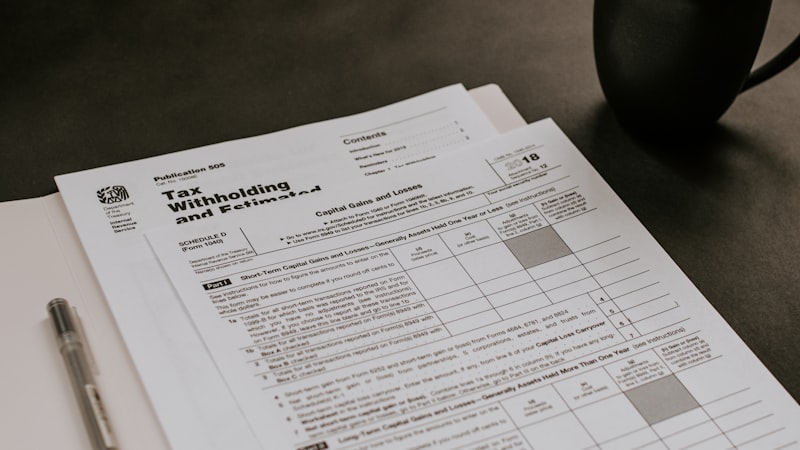
[Photography contracts and documents on a desk]
Contact information for both parties
Your contract should include clear details for both you and the client:
Photographer / Studio: Full name, address, phone, email
Client: Full name, phone (two numbers for weddings), email
For weddings, add the second party (bride or groom) as a secondary contact.
Detailed service description
This clause needs to be precise. Leave no room for interpretation:
Type of photography: Engagement / henna / wedding / portrait / event
Package name and details
What's included: Number of edited photos, shooting duration, number of locations, printed album (if any), highlight video (if any)
What's NOT included: Any service not explicitly listed
The rule: if it's not in the contract, it's not included.
Dates and sessions
For each session, specify:
Session · Date · Time · Location · Expected Duration
Engagement shoot · DD/MM/YYYY · HH:MM · Location · X hours
Wedding day · DD/MM/YYYY · HH:MM · Location · X hours
If the booking includes multiple sessions (common for weddings), every session must be listed. For more on managing multi-session bookings, read How to Manage Multi-Session Wedding Photography.
Payment schedule
This is the most practically important clause:
Payment · Percentage · Due Date
Deposit (to confirm booking) · 30-50% of total · Upon confirmation
Second payment · Per agreement · One week before event
Remaining balance · Remainder · Upon delivery
Practical advice:
Never start work without a deposit
Specify accepted payment methods (cash, bank transfer, digital payment)
Issue a receipt for every payment
Tie each payment to a specific date, not a vague event
Cancellation and rescheduling policy
Spell out what happens in each scenario:
Client cancels 30+ days before: Partial deposit refund
Client cancels 14+ days before: 50% deposit refund
Client cancels less than 7 days before: Deposit non-refundable
Photographer cancels: Provide a replacement or full refund
Rescheduling: Allowed once, subject to availability
Force majeure: Pre-agreed resolution
Delivery terms
Item · Details
Delivery timeline · Number of weeks after the session
Delivery method · Download link / USB / Google Drive
Number of edited photos · The agreed count
Editing type · Color and exposure (Lightroom) / Advanced retouching (Photoshop)
Photo selection · Client chooses or photographer chooses?
Usage rights
A clause many photographers forget, but one that matters a lot:
Photographer's right: Use photos in portfolio and social media
Client's right: Personal use (printing, social media sharing)
Commercial use: Requires a separate agreement and additional fee
Editing: Can the client add filters or crop the photos?
Credit: Must the client credit the photographer when sharing?
Ready-to-Use Photography Contract Template
Use this template as your starting point. It's a guidance document — if you need a legally enforceable contract, consult a lawyer in your jurisdiction.
Photography Contract
Date: ___/___/______
First Party (Photographer): Name: _______________ Address: _______________ Phone: _______________ Email: _______________
Second Party (Client): Name: _______________ Phone: _______________ Email: _______________
Service Provided: Package: _______________ Event type: _______________ Main session date: ___/___/______
Work includes:
____________
____________
____________
Total Amount: _____________
Payment Schedule:
Deposit: _______ — due upon confirmation
Second payment: _______ — due by ___/___/______
Remaining: _______ — due upon delivery
Payment Methods: Cash / Bank Transfer / Digital Payment
Cancellation Policy:
30+ days before: ___% deposit refund
14+ days before: ___% deposit refund
Less than 7 days: Deposit non-refundable
Delivery:
Timeline: _______ weeks after session
Edited photos: _______
Usage Rights: The photographer retains the right to use photos for promotional purposes. The client may use photos for personal purposes only.
First Party Signature: _______________ Date: ___/___/______
Second Party Signature: _______________ Date: ___/___/______
Common Mistakes in Photography Contracts
Not specifying the photo count
"I'll deliver all the photos" is dangerously vague. The client might expect 1,000 images when you mean 200. State the exact number, and distinguish between raw and edited photos.
Leaving the delivery timeline open-ended
"I'll deliver when I'm done" could mean a week or three months. Set a clear date. Most photographers deliver within 2-4 weeks.
Skipping usage rights
Without this clause, a client might use your photos in a commercial ad without permission or compensation. Or they might demand you remove photos from your portfolio because they consider them "private."
Forgetting a rescheduling clause
Weddings get postponed. Weather ruins outdoor sessions. Without a clause that defines how to handle these situations, you're setting yourself up for a difficult conversation.
Not requiring a deposit
If a client cancels after you've blocked the day and prepared equipment, you've lost an entire working day's income. A deposit protects you and confirms the client's commitment.
How to Create Contracts Faster
Instead of editing a Word document every time, you can use a system that generates contracts from booking data. Lnsly creates PDF contracts automatically — in Arabic or English — with payment schedules and electronic signatures. Free during the beta period.
Frequently Asked Questions
Is this photography contract template legally binding?
This template is for guidance. For a legally binding contract, consult a lawyer in your country. That said, even a simple written agreement provides far more protection than no agreement at all.
Does the contract need to be printed and signed by hand?
Not necessarily. Electronic signatures are accepted in many cases. What matters is that both parties agree on the terms and each has a copy.
Should I create a contract for short, one-hour sessions?
Yes. A simple one-page agreement takes five minutes to prepare and protects both sides. It also signals professionalism, which makes clients more comfortable working with you.
What if the client refuses to sign?
That's a red flag. A client who refuses to agree to clear, fair terms that protect both parties may cause problems later. Think carefully before accepting the booking.
Should I include a clause for outdoor sessions?
Yes. Outdoor shoots are vulnerable to weather changes. Add a clause that defines a backup plan (alternate date or indoor location) so bad weather doesn't turn into a dispute.
Read next: